
understanding omt
Orofacial Myofunctional Therapy (OMT)
Your breathing, tongue posture, swallowing, and oral function are more connected than you might think.
The muscles of the face and mouth are designed to work together. When those patterns aren’t functioning as they should, Orofacial Myofunctional Therapy (OMT) helps retrain them to support better breathing, speaking, eating, and overall function and improved quality of life.

It's Not In Your Head.
Many people come to us after dealing with symptoms for years — sometimes after countless appointments and tests without finding the answers they need.
What may seem like unrelated concerns can sometimes be connected to patterns involving breathing, tongue posture, swallowing, jaw function, and the muscles of the mouth and face.
Orofacial Myofunctional Therapy evaluates these patterns and helps retrain oral function when appropriate.
Sleep & Breathing
- Snoring & Sleep Apnea
- Mouth-Breathing
- Upper Airway Resistance Syndrome
JAW & FACIAL FUNCTION
- TMJ/TMD discomfort
- Headaches
- Facial and neck tension
TONGUE & ORAL FUNCTION
- Tongue-tie
- Tongue thrust
- Swallowing difficulties
- Improper tongue posture
GROWTH & ORTHODONTICS
- Orthodontic relapse
- Craniofacial growth and development
- Oral posture concerns

Early Intervention
For children, in particular, early evaluation can help identify developing concerns and address unhealthy patterns before they become more challenging to correct.
How OMT Works
OMT retrains the muscles of the face and mouth to create healthy, functional patterns that support breathing, sleep, speech and overall quality of life. The goal isn't simply learning exercises — it's creating healthier patterns that become part of everyday life.
TONGUE POSITION
Where your tongue rests matters. OMT helps establish healthy resting tongue posture and patterns that support oral function.
NASAL BREATHING
When appropriate, therapy helps reinforce healthy nasal breathing and closed-mouth resting posture.
CHEWING & SWALLOWING
Proper chewing helps promote balanced muscle function, while a healthy swallowing pattern supports the airway and helps maintain orthodontic results.
I've Always Been This Way. Why Change?
Long-standing patterns can feel normal simply because they’re familiar. Mouth breathing, poor tongue posture, disrupted sleep, jaw discomfort, or difficulty swallowing may have been part of your life for so long that you don't think of them as something that can change.
OMT helps identify patterns that may be affecting your function and determines whether retraining those patterns could help.
Our goal is to help you develop healthier, sustainable patterns that support lasting function — not simply manage symptoms.
Frequently Asked Questions
Learning about myofunctional therapy often leads to more questions. Here are answers to questions patients and parents ask most often:
Am I too old for Myo therapy?
Myofunctional therapy is for all ages!
Typically this type of therapy works best when kids are about 4-6 years of age when they are capable of optimum interaction with the therapist. Tri-State’s oldest patient so far has been 79!
For kids, we can influence function to help guide growth.
With adults, structure is set, but restoring function and optimizing breathing can bring amazing restoration to an adult life.
What is a tongue-tie?
A tongue-tie occurs when the tissue beneath the tongue restricts normal tongue movement or function. Not every visible frenulum requires treatment, which is why a functional evaluation is important.
Can OMT help with TMJ/TMD?
OMT may be used as part of a broader treatment approach when oral muscle patterns, tongue posture, breathing, or swallowing are contributing to jaw dysfunction or discomfort.
Will my appearance change with Myo Therapy?
When orofacial myofunctional disorders are present, some facial muscles may become tense while others remain weak.
Myo therapy helps improve facial muscle balance and breathing function. As function improves, patients may appear more relaxed and refreshed — sometimes with a noticeable brightness in the eyes — while improved breathing may also support better sleep.
How long does treatment take?
Treatment varies depending on the individual and their goals. Following your evaluation, we'll explain our recommendations and give you a clearer idea of what your treatment plan may involve.
Do you accept insurance?
Tri-State Myo is a fee-for-service practice and cannot directly bill insurance. This approach allows us to work for you rather than allow insurance companies to dictate how much time spent with patients and for what.
Costs are transparent up front with no hidden fees, co-pays, or premiums. We do realize that cost can be a barrier so ask us about options for financing.
In addition, we can accept FSA and HSA health accounts as a form of payment.
We provide the appropriate receipts for treatment.
Resources for Learning More About OMT
Organizations & Research
Recommended Reading
AOMT
The Breathe Institute
AAPMD
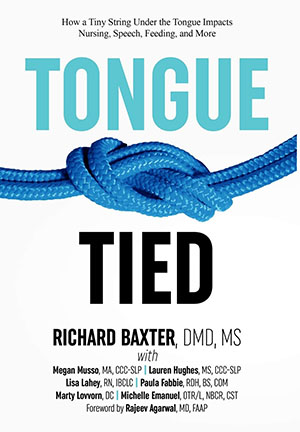
Tongue-Tied by Richard Baxter
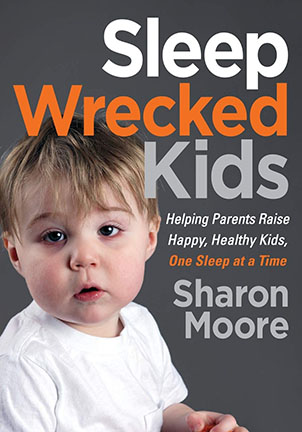
Sleep-Wrecked Kids by Sharon Moore
Lingual frenuloplasty w/ myo therapy: 348 cases

Myofunctional Therapy to Treat Obstructive Sleep Apnea
SCHEDULE AN APPOINTMENT
Wondering if OMT could help you or your child?
You don't have to figure it out yourself. An evaluation can help identify oral function patterns that may be contributing to the concerns you're experiencing and determine whether myofunctional therapy may be appropriate.
In-person and virtual appointments available.